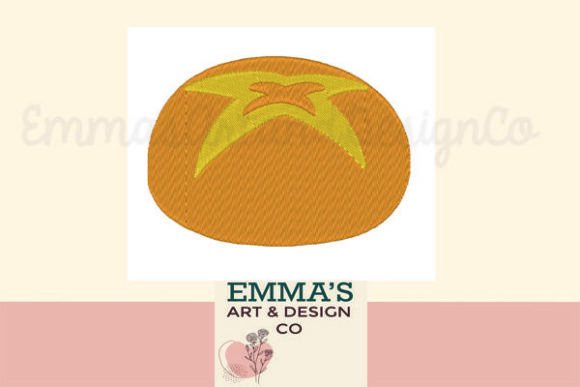
Bread Roll Machine Embroidery Design Review
As a professional embroidery designer who has spent years digitizing assets for small businesses, I know that the difference between a generic decoration and a powerful brand tool often comes down to one thing: the quality of the embroidery file. Today, I am reviewing a specific design titled Bread Roll Machine Embroidery. This piece is categorized under Thanksgiving and falls into the realm of machine embroidery designs. But beyond the seasonal label, we need to look at this as a potential asset for commercial use, from branded patches to staff uniforms.
The product description highlights that this is a beautiful filled embroidery design perfect for personalizing clothing, home décor, accessories, and gifts. It claims to be professionally digitized for smooth stitching and clean results. For any business owner looking to elevate their small business merch, understanding how this design translates from a digital screen to a physical object is crucial. Let's dive into how Bread Roll Machine Embroidery performs in real-world scenarios.
First Impressions: Personality and Brand Fit
When you first encounter a design named Bread Roll Machine Embroidery, the immediate visual association is warmth, comfort, and rustic charm. In the context of branding, this design suggests a friendly, approachable, and perhaps handmade aesthetic. It feels less like corporate rigidity and more like a local bakery or a cozy boutique.
For a creative studio or a pet brand that wants to project a "homey" vibe, this design offers a unique personality. It is playful yet elegant enough to serve as a premium accent. The filled nature of the design implies a solid, bold presence on fabric, which is excellent for visibility. However, if your brand identity leans towards ultra-minimalist or high-tech, this design might feel too traditional. It fits best with brands that value craftsmanship, tradition, and a tactile connection with their customers.
Real-World Application for Small Businesses
The true test of any digital embroidery file is its versatility across different products. Imagine a local café or a handmade shop wanting to launch a line of branded merchandise. How does Bread Roll Machine Embroidery fit?
- Embroidered Patches: This design could work beautifully as a sew-on patch. A bakery could place it on the back of aprons, while a florist might use it as a whimsical accent on tote bags. The filled style ensures the patch looks substantial even when cut out.
- Staff Uniforms: For a team of baristas or bakers, placing this design on the chest of a work shirt adds a touch of character without being overwhelming. It signals pride in the craft of food preparation.
- Caps and Hats: A cap design featuring this motif would appeal to customers who want wearable advertising. It transforms a standard baseball cap into a statement piece for the business.
- Tote Bags and Accessories: As a tote bag design, the visual weight of the filled stitches stands out against canvas or cotton blends, making it an ideal gift for loyal customers.
- Apron Embroidery: This is perhaps the most natural home for this design. An apron embroidery project using Bread Roll Machine Embroidery instantly communicates the nature of the business, whether it is a kitchen, a coffee shop, or a craft studio.
In the world of Etsy branding and craft business assets, having a cohesive look is key. If you are selling handmade goods, adding a tag or a small label embroidered with this design can elevate the perceived value of the finished product. It turns a simple item into a branded experience.
Strategic Considerations and Limitations
While the potential is high, an experienced designer knows where to exercise caution. Not every surface is suitable for every design. When planning to use Bread Roll Machine Embroidery for commercial projects, you must consider the following constraints.
Small Patch Sizes: If you plan to create very small patches (under 2 inches), the filled areas may lose definition. The details might merge together, resulting in a muddy appearance. Always review the spacing and ensure the design remains legible at your intended size.
Curved Surfaces: While caps are great, the curvature can distort complex fills. If the design includes intricate outlines or tiny lettering, these elements might stretch or bunch up on the curved front of a hat. Test the placement carefully before mass production.
Stitch Density and Fabric Texture: High stitch density is common in filled designs to achieve smoothness. On textured fabrics like heavy denim or loose-weave linen, the needle penetration might cause puckering. Additionally, on dark uniforms, the thread colors must be vibrant enough to stand out. If the background fabric is dark, you may need a heavier underlay or lighter thread colors to prevent the design from disappearing.
Frequent Washing: For items like aprons or work shirts that undergo frequent industrial washing, the durability of the fill is critical. Ensure the digitization uses appropriate satin columns or dense fills to withstand friction and heat.
Impact on Brand Identity and Customer Trust
Investing in high-quality embroidery is an investment in your brand's longevity. A poorly stitched logo can make a business look amateurish, but a crisp, clean design builds brand identity and customer trust. When a customer sees a well-executed Bread Roll Machine Embroidery on a tote bag or a uniform, they perceive the business as detail-oriented and professional.
This visual consistency reinforces the message of quality. Whether it is a commercial embroidery project for a large order or a single custom piece for a VIP client, the design acts as a silent ambassador. It tells a story of care and attention. For handmade product lines, this level of polish increases buyer engagement and justifies a higher price point.
Essential Designer Notes for Production
Before you hit the "stitch" button on your machine, there are several practical steps every designer should take to ensure success with Bread Roll Machine Embroidery.
- Test in Black and White: Convert your design to grayscale first. This helps you see if the contrast is sufficient and if the filled areas will blend too much with the background fabric.
- Check Stitch Density: Review the stitch density settings. Too much density can make the fabric stiff, while too little can leave gaps. Adjust based on the fabric texture you are using.
- Verify Hoop Size: Confirm that the hoop size matches your design dimensions. You do not want to re-digitize because the design is too large for your current hoop.
- Use Proper Stabilizer: The choice of stabilizer is vital. For caps, use a tear-away; for knits, use a cut-away. Using the wrong stabilizer can ruin the drape and finish of the garment.
- Create a Mockup: Before running a full production batch, create a printable mockup or a single sample. Show this to your client or stakeholders for approval to avoid costly mistakes.
- Review Thread Colors: Ensure the chosen thread colors complement your brand palette. Sometimes the default colorway in the file isn't the best match for your specific merchandise.
- Confirm Licensing: Most importantly, confirm the commercial licensing terms. Just because you bought the file does not always mean you can use it for unlimited resale items. Check the license agreement before selling branded products.
By following these guidelines, you can transform a simple Bread Roll Machine Embroidery design into a cornerstone of your brand's visual identity. Whether you are launching a new line of custom apparel or creating special gifts for the Thanksgiving season, this design offers a charming and professional solution when handled with expertise.
Remember, the goal is to create a finished product that not only looks good but stands the test of time. With careful planning and attention to the technical details of machine embroidery design, Bread Roll Machine Embroidery can become a beloved element of your small business's merchandise collection.