Christmas Goose Embroidery
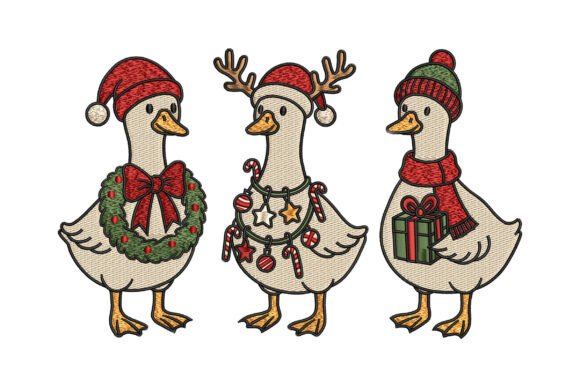
Stepping into the holiday market season is a high-stakes game of visual storytelling. As an experienced embroidery designer who has spent countless weekends setting up booths and refining digital assets, I know that the difference between a design that gathers dust and one that sells out lies in its versatility and charm. When I first reviewed the Christmas Goose Embroidery file, specifically the "Festive Goose Sweater Cozy" concept, I immediately saw its potential to become a centerpiece for any handmade shop or craft fair display.
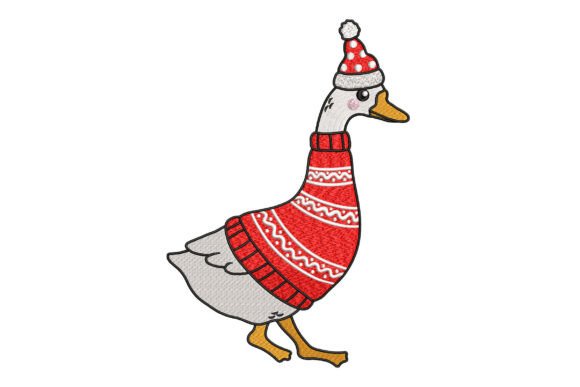
This isn't just another generic holiday motif. The image of a winter goose clad in a red holiday sweater and hat strikes a perfect balance between rustic farmhouse charm and modern whimsy. It feels approachable, slightly humorous, and undeniably cozy. In a sea of traditional pinecones and snowmen, this design offers a unique character that stops shoppers in their tracks. It is bold enough to be seen from across a crowded aisle yet soft enough to feel like a genuine gift from a small business owner.
Where Christmas Goose Embroidery Shines on Product
The true test of any machine embroidery design is how it translates from a digital screen to a physical object. For a weekend craft fair booth, I evaluated where Christmas Goose Embroidery would stand out most effectively. The stitch count, hovering around 20,195 stitches for the larger size, suggests a design with substantial detail without being overly dense. This makes it incredibly versatile for various handmade product categories.
- Tote Bag Design: A tote bag is often the first item a customer reaches for at a craft fair. Placing this goose on a canvas or linen tote creates an instant conversation starter. The design works well as a large focal point on the front of the bag, drawing attention immediately.
- Apron Embroidery: There is something inherently festive about a kitchen apron during the holidays. This design fits perfectly on the bib of a chef's apron or a burlap-style kitchen apron. It elevates a functional item into a decorative piece that buyers can use year after year.
- Tea Towel Embroidery: Tea towels are classic craft fair items. The 4x4 inch size allows for a neat placement on the corner of a towel, while the 5x5 inch version serves as a stunning central feature. The contrast of the red sweater against white or cream fabric ensures high visibility.
- Embroidered Patch: Because of the defined edges and clear subject matter, this file could easily be converted into a detachable patch. Customers love the ability to customize their own gear, adding the goose to beanies or backpacks.
- Caps and Small Pouches: For smaller accessories, the design might need to be scaled down carefully. However, on a structured cap or a zippered fabric pouch, it acts as a cute accent that adds personality without overwhelming the item.
Visual Appeal and Customer Attention
In the fast-paced environment of a holiday market, you have mere seconds to capture a buyer's interest. Christmas Goose Embroidery excels here because of its narrative quality. It doesn't just say "Christmas"; it tells a story of comfort and fun. This emotional connection drives sales more effectively than simple geometric patterns.
When photographing these items for Etsy listings or social media, the design photographs beautifully. The red and white color palette pops in images, making your printable mockup look vibrant and professional. The design assets within this file allow for consistent branding across your entire booth. Whether you are selling pillow covers, market bags, or giftable handmade items, maintaining this specific aesthetic helps build a cohesive brand identity that customers trust.
Practical Selling and Production Considerations
As a digital seller or boutique maker, efficiency is key. One of the strongest selling points of this design is its repeatability. The clean lines and distinct shapes make it easy to batch produce for commercial embroidery projects. You can quickly run through a stack of tea towels or tote bags without the machine getting bogged down by overly complex underlay or excessive thread changes.
However, not every application is created equal. While the design is robust, there are practical limitations to consider. The 20,195 stitch count indicates a medium-to-high density. If you attempt to embroider this on very thin or unstable fabric without proper support, you risk puckering. Furthermore, if you try to scale this down too much for a tiny detail on a button or a small tag, you may lose clarity. Tiny details can get lost in the stitching process, especially if the thread colors lack sufficient contrast against the background fabric.
For curved surfaces like caps, the hoop size and the curvature of the hat must be considered. A design that looks flat on a sample board might distort if the hoop tension isn't perfect. Always ensure you are using the right stabilizer for the fabric texture you are working with. Heavy denim requires different stabilization than delicate cotton batiste.
Essential Designer Notes for Success
To ensure your finished product meets the highest standards of handmade quality, I recommend following a strict production protocol before mass-producing for a craft fair.
- Test on Scrap Fabric: Never go straight to your final product. Run a test on scrap material to check how the embroidery file behaves with your specific thread types.
- Check Thread Contrast: Ensure the red sweater stands out clearly against the base fabric. Dark fabric can sometimes swallow up lighter thread details, so verify your color palette beforehand.
- Confirm Hoop Size: The available sizes (approx. 4.01″ x 3.99″ and 5.01″ x 4.99″) dictate your project scope. Make sure your chosen product fits comfortably within the hoop dimensions without cutting off parts of the design.
- Inspect Stitch Density: Look closely at the goose's features. Are there areas where the stitches are too thick? Adjusting the density settings can prevent fabric distortion.
- Create Real Mockups: Don't rely solely on digital previews. Create at least one real mockup to see how the lighting hits the threads and how the texture feels to the touch.
- Verify Licensing: Before selling these as commercial embroidery products, double-check the license terms included with the file to ensure you are permitted to sell finished goods.
By taking these steps, you protect your reputation as a small shop product creator. Customers can tell the difference between a rushed job and one made with care. Christmas Goose Embroidery provides the creative foundation; your execution provides the value.
Final Thoughts for the Seasonal Seller
Ultimately, Christmas Goose Embroidery is a winning asset for any craft fair product lineup. It bridges the gap between traditional holiday decor and quirky, modern style. It works equally well as a standalone gift or as part of a larger collection of seasonal home goods. By understanding its strengths and respecting its technical requirements, you can turn this digital file into a best-selling reality.
Whether you are an Etsy seller looking to boost your holiday inventory or a booth operator aiming to create a memorable display, this design offers the flexibility and charm needed to succeed. Focus on high-quality fabrics, precise stitching, and strategic placement, and you will find that this festive goose is not just a design—it is a crowd-pleaser ready to bring joy to your customers' homes this holiday season.