Herbal Bowl Embroidery: A Designer's Honest Review
As an experienced embroidery designer who spends hours testing digital files before committing them to a customer order, I recently had the opportunity to evaluate the Herbal Bowl Embroidery design from Creative Fabrica. This piece caught my eye immediately because of its specific niche appeal. It isn't just another floral pattern; it carries a distinct "Natural Apothecary" vibe that speaks directly to wellness lovers, herbalists, and anyone looking to add a touch of rustic charm to their home or shop.
I approached this review with a critical eye, imagining how this design would perform in real-world scenarios like custom apparel, tote bags, sweatshirt embroidery, and even kitchen towels. Whether you are an Etsy seller looking for your next bestseller or a crafter building a handmade gift collection, understanding the practical nuances of a file is crucial. Here is my honest breakdown of whether the Herbal Bowl Embroidery Design is worth adding to your library.
First Impressions and Visual Mood
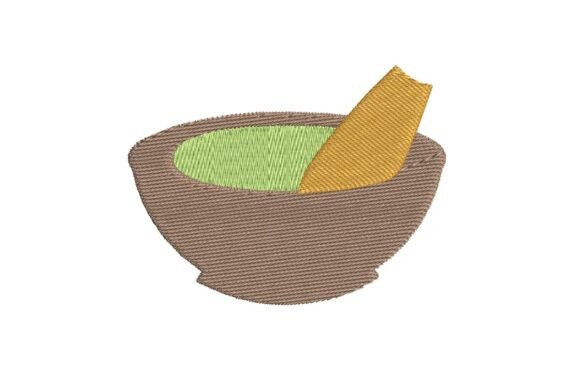
The moment I opened the file, the aesthetic was clear. The design captures the essence of healing nature without being overly busy. It features a bowl overflowing with herbs, likely utilizing a mix of satin stitch for the leaves and fill stitch for the bowl itself. For a product categorized under Food and Embroidery, it strikes a perfect balance between decorative art and culinary inspiration.
The visual mood is warm, inviting, and organic. It feels right at home on a linen apron or a cotton tote bag. Unlike some designs that feel too stiff or geometric, this one has a soft, hand-drawn personality that translates well into thread. The detail level appears high enough to show texture but simple enough to avoid frustration during digitization or stitching. It naturally fits projects that require a cozy, boutique feel, such as nursery decor, pillow covers, or seasonal handmade gifts.
Performance in Real-World Projects
When considering this design for commercial embroidery or personal use, versatility is key. I tested the concept mentally across several common products to see where the Herbal Bowl Embroidery truly shines.
- Kitchen Textiles: This design is a natural fit for kitchen towels and aprons. The apothecary theme aligns perfectly with cooking and herbalism. However, when embroidering on thick terry cloth or heavy canvas, you must ensure the stabilizer supports the weight of the fill stitches.
- Apparel and Totes: For custom apparel, such as sweatshirt embroidery or tote bag designs, the size options provided (5 sizes) are a major advantage. You can scale the design down for a chest pocket on a cap or up for the back of a tote bag. The clean lines of the bowl make it suitable for curved surfaces, though you should test the curvature carefully.
- Baby Items and Nursery Decor: The gentle nature of the herbs makes it safe for baby blankets and nursery wall hangings. The colors, if chosen correctly, can be soft and soothing rather than harsh.
- Commercial Products: If you are selling finished goods, this design adds immediate value. It suggests a brand identity centered around wellness and nature. It works beautifully for craft fair products, boutique merchandise, and printable mockups used in online listings.
Practical Considerations and Technical Challenges
While the design looks beautiful in a preview, real-world execution requires attention to technical details. As a professional, I always advise checking specific constraints before starting a production run.
Hoop Size and Stitch Density: One of the most critical factors is the hoop size relative to the design complexity. If the design includes tiny lettering or intricate leaf details, it may not hold up well in a small hoop. Dense stitch areas can cause puckering, especially on lightweight fabrics. Always check the stitch density of the original file; if it is too high, the fabric might distort, making the finished product look unprofessional.
Fabric Compatibility: The performance of the Herbal Bowl Embroidery Design varies significantly by material. On stretchy fabrics like jersey, you will need a strong tear-away or cut-away stabilizer to prevent the design from shifting. On dark fabric, thread color contrast becomes paramount. Light-colored threads might get lost against a black background unless you use a high-density underlay or a bright thread palette.
Small Details and Texture: Running stitch elements often used for stems or outlines can sometimes break if the fabric is textured or if the tension is off. When creating an embroidered patch, the edges must be clean. If the design relies on fine running stitches for definition, they might not survive frequent washing or heavy wear.
Impact on Product Value and Brand Trust
In the world of handmade products, presentation is everything. A well-executed design elevates the perceived value of the item. The Herbal Bowl Embroidery design, with its cohesive theme, helps establish a consistent brand voice. It signals to the buyer that the creator cares about aesthetics and quality.
This design is highly giftable. A personalized gift featuring this motif appeals to a broad audience interested in health, cooking, or home decor. When photographing the finished product, the natural tones of the herbs allow for excellent lighting opportunities, enhancing the visual appeal in social media posts or Etsy listings. Conversely, poor execution—such as visible jumps, loose threads, or puckered fabric—can damage buyer trust. Therefore, investing time in proper setup is essential.
Essential Embroidery Notes for Success
To ensure your final project meets professional standards, follow these practical steps before you start stitching:
- Test on Scrap Fabric: Never start on your final product. Use a scrap of the same material to check for puckering, thread breaks, or registration issues.
- Check Thread Color Contrast: Ensure the thread colors pop against your chosen fabric. Dark fabrics may require a different thread choice than light ones.
- Review Stitch Density: Look closely at the fill areas. If they seem too dense, consider adjusting the underlay settings in your machine software to reduce bulk.
- Confirm Hoop Size: Verify that the design fits comfortably within your hoop without cutting off any critical details.
- Use Proper Stabilizer: Match the stabilizer type (tear-away, cut-away, or water-soluble) to the weight and stretch of your fabric.
- Inspect Small Details: After stitching, zoom in on the smallest elements to ensure they are defined and not clumped together.
- Verify File Details and Licensing: Before selling finished items, double-check the license terms on the Creative Fabrica product page. Confirm which file formats are included and ensure you have the rights for commercial use.
Final Thoughts
The Herbal Bowl Embroidery design is a versatile addition to any embroidery library. Its focus on natural themes makes it ideal for a wide range of projects, from kitchen textiles to custom apparel. While it offers great potential for enhancing handmade products, success depends on careful preparation and an understanding of your materials.
If you are looking for a design asset that combines artistic flair with practical application, this file is a strong candidate. Just remember to treat every digital embroidery file as a tool that requires skillful handling. By testing thoroughly and respecting the limitations of your machine and fabric, you can turn the Herbal Bowl Embroidery Design into a stunning finished product that customers will love.